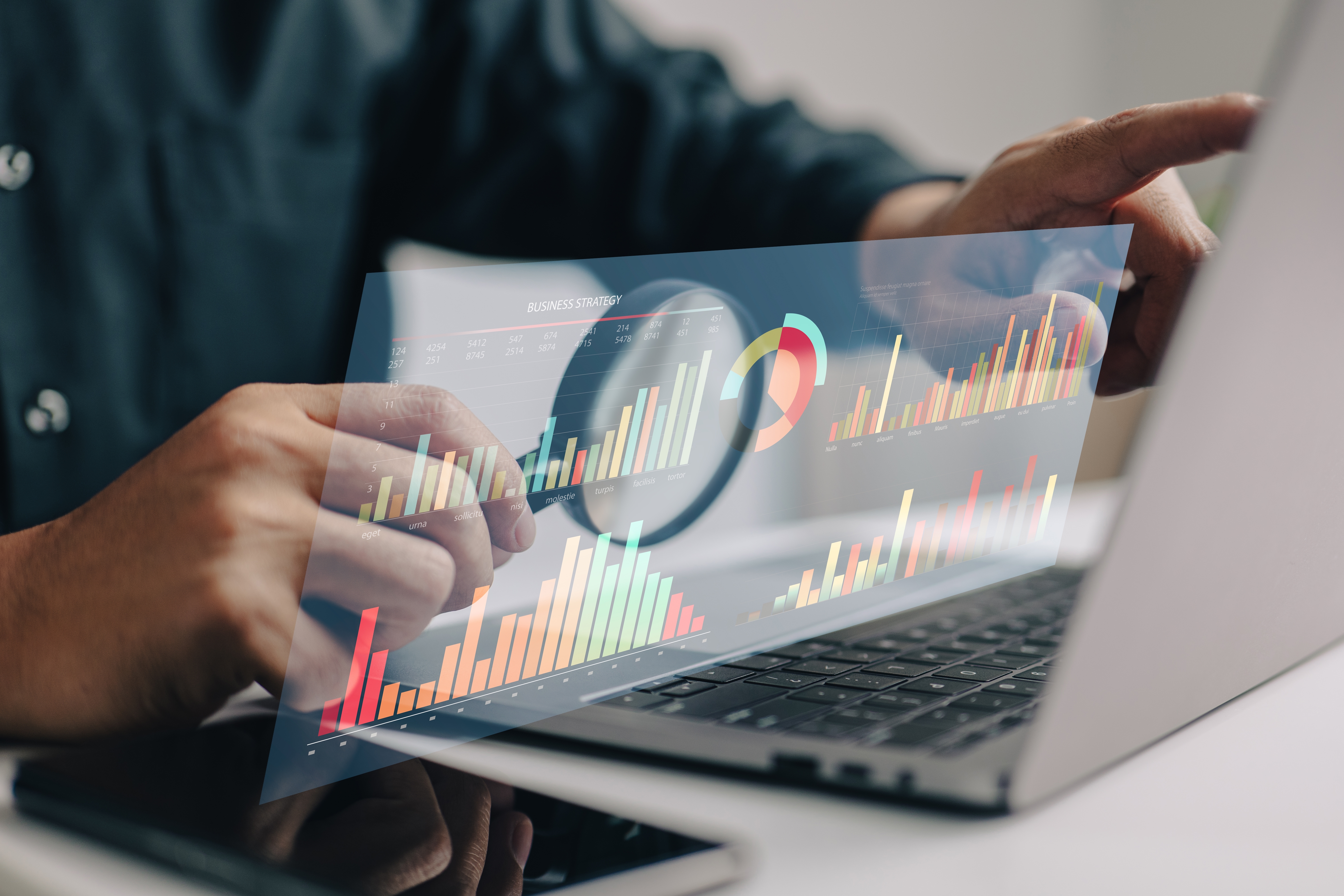
What is hedging?
Hedging in finance is a risk management strategy used to protect against potential losses from adverse movements in the price of assets or investments. It involves taking offsetting positions in related assets or markets to reduce the overall risk exposure. By hedging, traders and investors can minimize the impact of market volatility and uncertainty on their portfolios. It can be done using various financial hedging instruments such as options, futures contracts, forward contracts, or by diversifying the portfolio across different asset classes.
In the unpredictable world of finance, the financial journey can be a rollercoaster ride. Especially when dealing with volatile markets. Prices fluctuate constantly, leaving investors and businesses exposed to potential losses. This is where derivatives come in – financial instruments derived from underlying assets like stocks, commodities, or currencies. Today, we’ll delve into two key derivatives strategies: forward contracts and pairs trading.
Hedge Making: A Strategic Graph
1) Forward Contracts: Locking in the Future, Today!
Imagine you’re a farmer about to harvest a bumper crop of wheat. You’re excited, but a nagging worry persists – what if the price of wheat plummets by harvest time? Enter forward contracts.
A forward contract is a private agreement between two parties to buy or sell an asset at a predetermined price on a specific future date. It’s like fixing the price today for a transaction that happens in the future. In our example, you (the farmer) can enter into a forward contract with a grain buyer at the start of the growing season. You agree to sell your wheat harvest at a set price, say Rs. 5 per bushel, three months down the line.
The beauty of forward contracts lies in their ability to hedge against price volatility. Here’s how:
a) Price Certainty:
Regardless of what happens to the wheat price between now and the time of harvest, you’ll receive Rs. 5 per bushel. If the price skyrockets to Rs. 7, you might have missed out on potential profits, but you’re still guaranteed a decent return. Conversely, if the price tumbles to Rs. 3, you’re protected from the loss.
b) Closing the Position Early:
You’re not stuck with the forward contract till the delivery date. Forward contracts are transferable. If, during the growing season, you find a buyer willing to pay a higher price upfront, you can sell your forward contract to them and pocket the difference.
Real-Life Example: Airline Fuel Hedging
Airlines are prime examples of businesses that heavily rely on forward contracts. Jet fuel is a significant expense in the airline industry, and its price can be quite volatile. To manage this risk, airlines enter into forward contracts with jet fuel suppliers. They lock in a price for a specific amount of fuel delivery at a future date. This protects them from sudden price hikes and helps maintain stable operating costs.
2) Pairs Trading: Exploiting Market Inefficiencies
Now, let’s explore pairs trading, a strategy experienced hedge traders employ to capitalize on short-term price discrepancies between two correlated assets. Imagine twins, Tom and Jerry. They’re almost always the same height, however eventually, Tom might have a growth spurt, making him slightly taller. Pairs trading looks for these temporary imbalances in the relationship between two assets.
Here’s how it works:
a) Identifying the Pair:
The first step is finding two assets with a historically strong positive correlation. This means when one asset’s price goes up, the other tends to follow suit, and vice versa. Stock prices within the same sector or currencies from geographically linked countries are good starting points.
b) Spotting the Discrepancy:
Using statistical tools like standard deviation, traders analyze the historical price movements of the chosen pair. The goal is to identify when one asset becomes overvalued (priced higher than its historical average relative to the other asset) and the other undervalued (priced lower than its historical average).
c) Going Long and Short:
Here comes the long-short magic. The trader goes “long” on the undervalued asset, essentially buying it with the expectation that its price will rise. Simultaneously, they go “short” on the overvalued asset, meaning they borrow and sell it, hoping its price will fall.
d) Profiting from Reversion:
The key to success lies in the historical correlation between the assets. The expectation is that the temporary price discrepancy will eventually correct itself. As the undervalued asset’s price rises and the overvalued asset’s price falls, the trader closes out both positions, pocketing the profit.
Real-Life Example: Retail Stocks and Online Sales Data
Imagine a scenario where a brick-and-mortar retail stock (Company A) and an online retail stock (Company B) have historically exhibited a positive correlation. However, due to a recent negative news story published about Company A, its stock price dipped, while Company Bs remained stable. This creates a potential pairs trading opportunity.
Consider Coca-Cola (KO) and PepsiCo (PEP), two beverage behemoths locked in fierce competition. Despite their rivalry, the fortunes of these companies often rise and fall in sync with broader market trends and consumer preferences. A savvy pairs trader, noticing a temporary divergence in their stock prices due to a short-term market anomaly, might seize the opportunity to short sell the overvalued stock (say, KO) while simultaneously going long on the undervalued one (say, PEP). As the mispricing corrects itself and the stocks realign, the trader reaps profits from both positions, regardless of the market’s overall direction.
Conclusion:
As we conclude our exploration into hedgers in derivatives dynamics, let us remember that beyond the charts and graphs lies a world teeming with opportunities and risks, where every decision we take holds the potential to shape our financial destiny. So let us embrace the challenge with open arms and sharpened minds, for in the ever-changing landscape of hedging in finance, the true mastery lies not in predicting the future, but in navigating its currents with wisdom and finesse.
Leave a Reply